

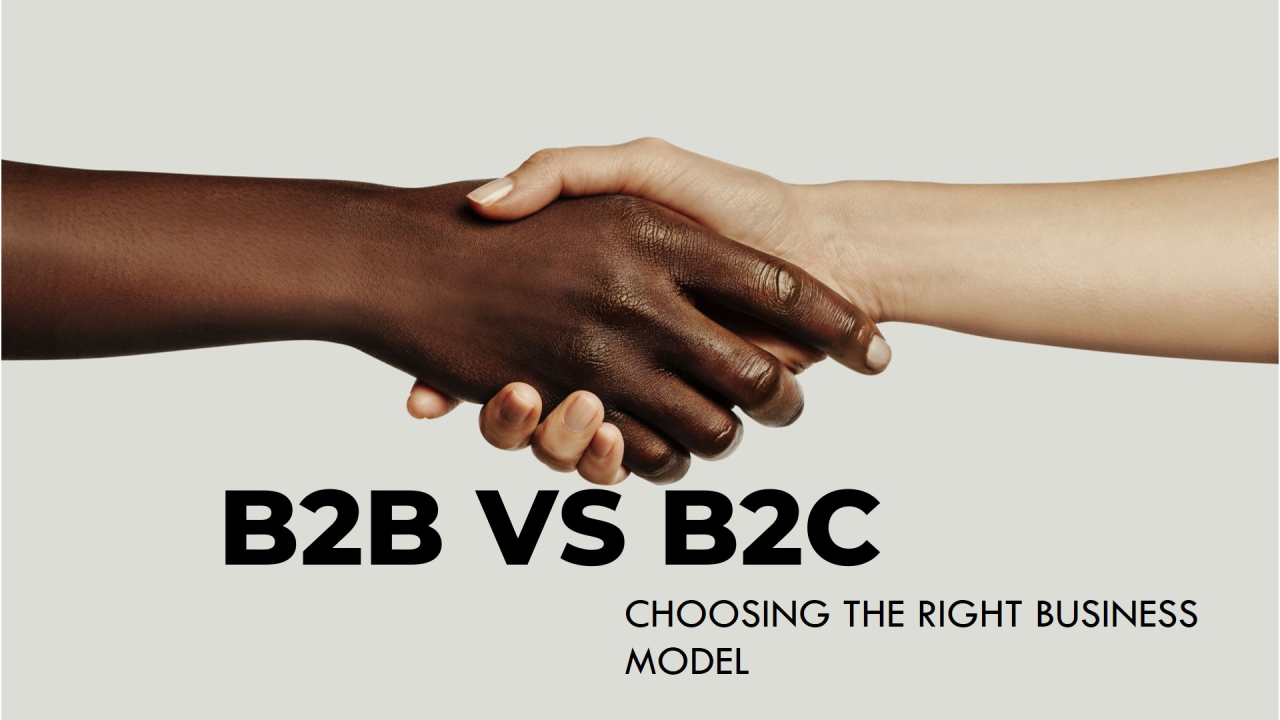
European commerce is undergoing a profound transformation. While consumer e-commerce continues to grow, the most significant shift is happening in the business-to-business (B2B) sector — where companies depend on reliable, scalable, and technology-driven logistics networks to keep operations running smoothly.
In recent years, B2B delivery solutions have evolved from simple transport services into sophisticated, data-powered infrastructures. These systems now serve as the backbone of supply chains across manufacturing, retail, healthcare, automotive, and countless other industries. As Europe enters a new era of digitalisation and cross-border trade, B2B delivery solutions are shaping the future of how businesses operate.
Below are the key reasons why B2B logistics is becoming one of the most critical drivers of European commerce.
1. The Rise of Cross-Border Commerce in the EU
With 27 interconnected markets, Europe is one of the world’s largest unified trading zones. Companies increasingly rely on seamless cross-border logistics for:
- Just-in-time manufacturing
- Distribution of components and spare parts
- International retail supply chains
- Multi-warehouse strategies
B2B delivery networks are designed with cross-border complexity in mind. They support harmonised documentation, specialised handling requirements, and predictable transit times across multiple countries — something consumer-oriented carriers often cannot guarantee.
2. Business Operations Depend on Reliability, Not Convenience
While B2C logistics focuses on speed and customer convenience, B2B logistics is built around operational reliability. A late shipment for a business does more than inconvenience — it disrupts production lines, delays services, and increases costs.
Professional B2B delivery solutions provide:
- Guaranteed delivery windows
- High-precision routing
- Dedicated customer support
- Proactive issue resolution
- Real-time monitoring at every stage
This reliability enables companies to maintain continuous operations and avoid costly downtime.
3. Digitalisation Is Redefining How Businesses Move Goods
Across the EU, digital transformation is no longer optional. Modern B2B logistics uses technology to create smarter, more efficient, and more transparent delivery flows.
Tech-driven logistics includes:
- Real-time tracking for all shipments
- Automated route optimisation
- Integrated transport management systems (TMS)
- AI-based capacity planning
- Digital proof of delivery
- End-to-end visibility dashboards
These tools significantly reduce operational risks, improve forecasting accuracy, and enable faster decision-making — key advantages for European businesses.
4. Customised Transport Solutions for Different Industries
Unlike consumer delivery, B2B logistics must adapt to highly specialised requirements. For example:
- Retailers need fast, predictable replenishment
- Manufacturers require strict timing for production inputs
- Healthcare uses temperature-controlled or sensitive goods
- Automotive suppliers depend on hourly delivery windows
B2B delivery providers are structured to offer exactly that — tailored solutions that match industry-specific supply chain demands.
5. Sustainability Goals Are Accelerating the Shift
European businesses face increasing pressure to meet environmental standards, reduce emissions, and implement greener transport strategies. B2B delivery networks are uniquely positioned to support this transition through:
- Route optimisation to minimise fuel usage
- Consolidated shipments to reduce empty transport kilometres
- Investments in electric or low-emission fleets
- Smart warehousing and automated sorting technologies
- Transparent carbon-footprint reporting
Sustainable logistics is no longer an added value — it is rapidly becoming a regulatory requirement. B2B providers able to demonstrate eco-efficiency will lead the future of the sector.
6. Scalability for Growing and Globalising Businesses
As European companies expand, they need logistics systems that scale with them. B2B delivery solutions allow businesses to:
- Add new regions easily
- Increase shipment volumes without operational strain
- Integrate warehousing, returns, and distribution
- Support complex multi-channel strategies
Scalable logistics infrastructure ensures businesses can grow without disruptions — essential in a competitive European market.
7. Improved Security and Risk Management
B2B supply chains often involve high-value or sensitive goods. Professional delivery networks offer enhanced security protocols such as:
- GPS-controlled transport
- Secure loading and unloading procedures
- Documented chain of custody
- Access-restricted distribution hubs
- Automated alerts for irregularities
This level of protection is critical for industries where compliance, safety, and traceability are non-negotiable.
8. A True Partnership, Not Just a Courier Service
The biggest difference between B2B and B2C delivery is the relationship model.
In B2B logistics, service providers act as strategic partners by offering:
- Dedicated account management
- Operational insights and analytics
- Continuous process improvements
- Flexible, long-term cooperation models
This partnership-based approach helps companies strengthen their supply chains and achieve greater stability.
is it Future?
European commerce is increasingly dependent on robust, technologically advanced, and highly reliable logistics systems. B2B delivery solutions are at the centre of this transformation. They provide the infrastructure businesses need to operate efficiently, compete internationally, and meet modern expectations for transparency, speed, security, and sustainability.
As companies continue to digitalise and expand, the importance of specialised B2B logistics will only grow. The future of European commerce belongs to businesses that embrace these solutions — and to the providers capable of delivering them with precision and innovation.
By shipping_q399di