

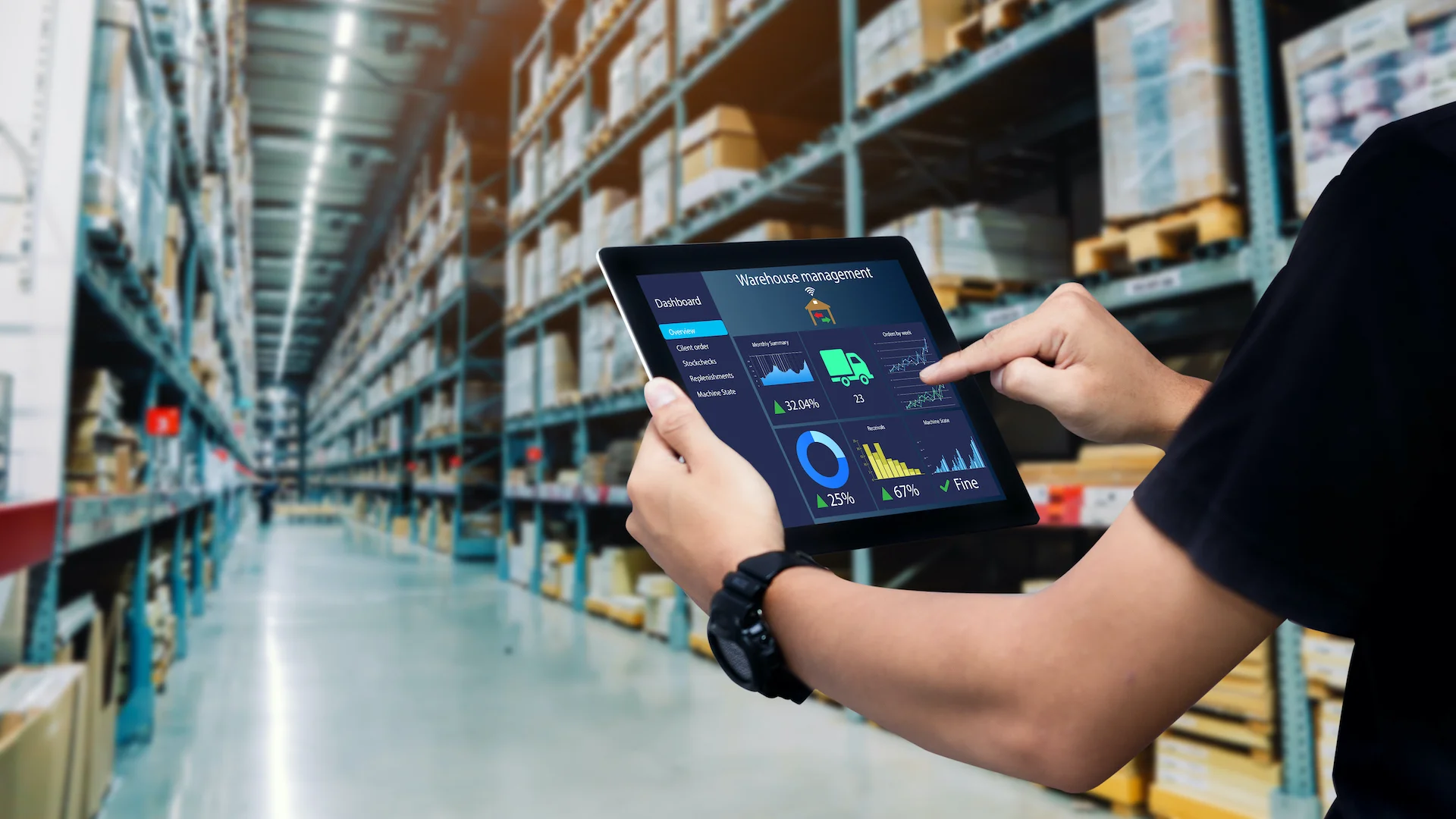
The logistics industry is transforming faster than ever. Global supply chains are becoming more complex, customer expectations are rising, and the pressure to deliver goods faster, safer, and more efficiently continues to grow. In 2025, businesses that rely on traditional transport and outdated operational models are already falling behind.
Tech-driven logistics is no longer a competitive advantage — it has become a necessity. From real-time tracking to predictive analytics and automated routing, modern logistics technology gives companies the reliability, visibility, and scalability required to thrive in today’s market.
Below are the key reasons why 2025 is the year businesses must embrace technology-powered logistics solutions.
1. Real-Time Visibility and Tracking Across the Entire Supply Chain
One of the biggest challenges for businesses is the lack of transparency once a parcel leaves their facility. Customers want accurate updates, not vague delivery windows — and companies need visibility to prevent delays and optimise operations.
Tech-driven logistics provides:
- Live parcel tracking
- Automated status notifications
- Instant updates at every stage of transport
- Clear proof of delivery
This real-time data allows businesses to manage expectations, improve customer experience, and quickly detect any irregularities.
2. Faster Deliveries Through Automated Route Optimisation
In 2025, speed is a crucial differentiator. Tech-enabled logistics systems use automation and AI to:
- Calculate optimal delivery routes
- Reduce travel time and fuel consumption
- Avoid traffic, weather issues, and high-risk areas
- Manage multiple carriers and fleets simultaneously
This results in consistently faster delivery times and far more efficient operations — something traditional manual systems cannot match.
3. Greater Accuracy and Fewer Operational Errors
Manual processes increase the risk of mislabelled parcels, wrong addresses, delayed shipments, and inaccurate data entry. Technology solves these problems before they can affect customers.
Digital logistics tools ensure:
- More accurate data
- Automated documentation
- Proper handling instructions
- Fewer lost parcels
- Better inventory and warehouse coordination
Higher accuracy means fewer claims, fewer returns, and lower long-term costs for the business.
4. Predictive Analytics Reduce Risks and Boost Reliability
AI-driven predictive models can anticipate potential delays, seasonal surges, or bottlenecks before they occur. In 2025, companies use data to:
- Identify high-risk routes
- Forecast peak-season volumes
- Adjust staffing and fleet capacity
- Prepare contingency plans
Instead of reacting to problems, tech-driven logistics helps businesses prevent them entirely.
5. Enhanced Security and Fraud Protection
Parcel theft, fraud attempts, and delivery scams have grown significantly in recent years. Advanced logistics systems add multiple layers of protection:
- GPS-based route monitoring
- Scan-verified handovers
- Secure access points (parcel lockers, controlled hubs)
- Automated alerts for suspicious activities
For businesses shipping valuable or sensitive goods, this level of security is essential.
6. Better Scalability for Growing Businesses
As companies expand internationally or increase order volumes, technology becomes the backbone of sustainable growth. Tech-driven logistics provides:
- Easily scalable shipping options
- Automated workflows
- Centralised transport management
- Cross-border compliance support
Whether you manage 100 shipments or 100,000, technology ensures your logistics processes grow with your business — not against it.
7. Improved Customer Satisfaction and Brand Trust
In 2025, customers expect:
- Faster deliveries
- Accurate tracking
- Simple returns
- Transparent communication
Businesses that meet these expectations stand out from competitors.
Those that fail lose customers quickly.
Tech-powered logistics allows companies to deliver the reliability that modern customers demand — creating stronger brand loyalty and long-term trust.
8. Cost Efficiency Through Automation
While technology requires an initial investment, the long-term savings are substantial. Automated logistics helps reduce:
- Fuel waste
- Human error
- Inefficient routing
- Manual processing time
- Lost or damaged shipments
The result is a leaner, more cost-effective transport operation.
… and
The shift to tech-driven logistics is not a trend — it is the new standard. In 2025, businesses that embrace technology gain a strong operational advantage, from greater visibility and accuracy to improved delivery speed and reliability. Meanwhile, companies that continue using outdated systems will struggle to compete in an increasingly digital and demanding marketplace.
Investing in technology today means securing your supply chain for tomorrow. As logistics continues to evolve, tech-enabled solutions will define the businesses that move forward — and those that fall behind.
By shipping_q399di